How to Manage Separation Anxiety in Dogs
January 30th 2026
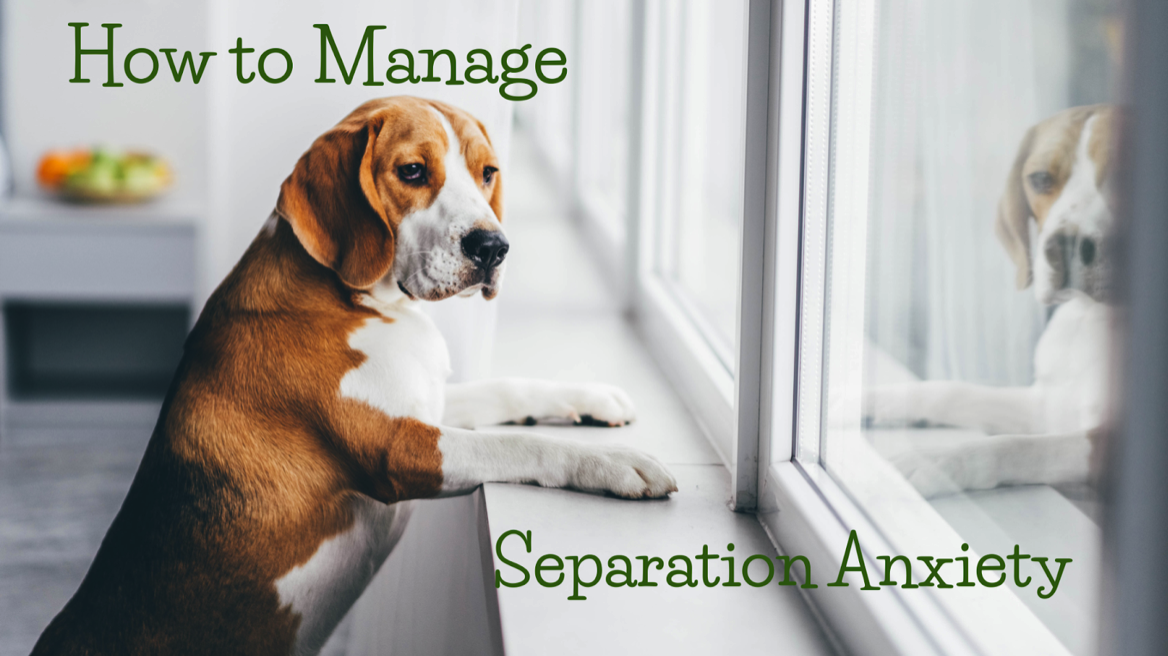
If your dog needs to be left alone very often, you may start noticing some unexpected or concerning behaviors pop up. Maybe they bark excessively when you leave, chew items they normally ignore, or have accidents despite being house-trained. These behaviors can be stressful to witness and may leave you wondering: Is my dog okay? Am I doing something wrong? How can I help?
For many pet owners, this concern points to a common behavioral condition known as separation anxiety.
Common Misconceptions About Separation Anxiety
“My dog is misbehaving.”
Separation anxiety is not a discipline issue. It is a distress response that occurs when a dog is left alone or separated from their primary caregiver. These behaviors are driven by fear and panic—not stubbornness, spite, or a lack of training.
“My dog is just very affectionate.”
While separation anxiety is rooted in the strong bond dogs share with their humans, it is not a sign of a healthy or ideal attachment. Anxiety indicates that a dog is struggling to cope with being alone, rather than feeling secure and confident in their environment.
What Behaviors Does Separation Anxiety Cause?
Common signs may include:
• Excessive barking, whining, or howling
• Destructive behaviors like chewing doors, furniture, or digging
• Attempts to escape the home or crate
• Pacing, drooling, or panting
• Inappropriate urination or defecation
Dogs naturally thrive on structure, predictability, and balance. When anxiety is left unaddressed, it can disrupt their emotional well-being and lead to long-term behavioral challenges. As caregivers, our goal is to help dogs feel safe, confident, and capable of handling time alone.
Teaching Dogs That Alone Time Is Okay
The bond between a dog and their human is built on trust and companionship. That bond should include teaching your dog that being alone is not something to fear—it’s simply a normal part of daily life.
Just like people, dogs benefit from learning how to self-soothe and relax independently. Alone time allows them to rest, decompress, and build resilience. Helping your dog develop this skill is one of the most valuable things you can do for their emotional health.
Training Your Dog for Success
One of the most effective ways to prevent or reduce separation anxiety is to establish healthy routines early on. A common challenge many families face is spending nearly all day with a dog and then suddenly returning to a more typical schedule.
Dogs don’t adapt well to abrupt changes without preparation. Instead, aim to:
• Create a predictable daily routine
• Practice short, planned periods of separation
• Gradually increase the amount of time your dog is alone
Consistency helps dogs understand what to expect and builds confidence over time.
Crate Training: A Haven, Not a Punishment
When introduced correctly, crate training can be an excellent tool for managing separation anxiety. Dogs are den animals by nature, and a crate can serve as a quiet, secure space where they feel protected.
To make crate training successful:
• Introduce the crate gradually and positively
• Encourage voluntary entry using treats, toys, or praise
• Start with short periods (10–15 minutes) and build slowly
• Never use the crate as punishment
A properly crate-trained dog often views their crate as a place to relax and unwind. In addition to supporting emotional comfort, crate training can help with house training and prevent dangerous behaviors such as chewing or swallowing foreign objects that could result in medical emergencies.
Alternatives to Crate Training
Crates aren’t the right fit for every dog, and that’s okay. Other safe, controlled options include:
• Using baby gates to limit access to a smaller, dog-proofed area
• Providing enrichment toys like food puzzles or long-lasting chews
• Leaving calming background noise, such as soft music or a TV
• Using video monitoring to check in on your dog’s behavior
Confidence-building activities, such as beginner obedience classes, can also be extremely helpful. Training strengthens communication, reinforces positive behaviors, and gives dogs a sense of purpose.
Reducing Anxiety Around Departures and Arrivals
Dogs are incredibly observant and quickly associate certain actions—grabbing keys, putting on shoes, picking up a bag—with being left alone. These cues alone can trigger anxiety.
To help reduce stress:
• Keep departures and arrivals calm and low-key
• Avoid prolonged goodbyes or overly excited greetings
• Vary your pre-departure routine when possible
• Reward calm, relaxed behavior rather than anxious responses
The goal is to normalize comings and goings so they don’t feel like major emotional events.
A Final Note on Safety
Never leave your dog alone in a parked car. Even on mild days, temperatures inside a vehicle can rise to dangerous levels within minutes, leading to heatstroke or worse. While some newer vehicles offer “dog mode” climate controls, the safest option is always leaving your dog comfortably at home.
Helping dogs learn to be comfortable alone is not only emotionally beneficial—it’s also one of the safest choices you can make for them.
When to Seek Professional Help
In severe cases of separation anxiety, a dog may show signs of extreme distress such as self-injury, excessive drooling, nonstop vocalization, or significant destruction. These cases often require professional support.
A veterinarian or board-certified veterinary behaviorist can help develop a customized treatment plan. Depending on the dog, this may include behavior modification, calming supplements, or anti-anxiety medications.
We’re Here to Help
If your dog is struggling with separation anxiety or displaying behaviors that concern you—and you live in Hoover, Vestavia, Homewood, the Birmingham Metro area, or nearby communities—we’re here for you. Give us a call at Bluff Park Animal Clinic or visit our website to learn more about how we can support you and your pet.
And remember—if you’re a current client, you can easily request appointments through our new pet portal. Don’t hesitate to reach out. Helping your dog feel safe, confident, and comfortable is always a team effort.