Does Your Dog Really Need Dental Care
March 6th, 2026
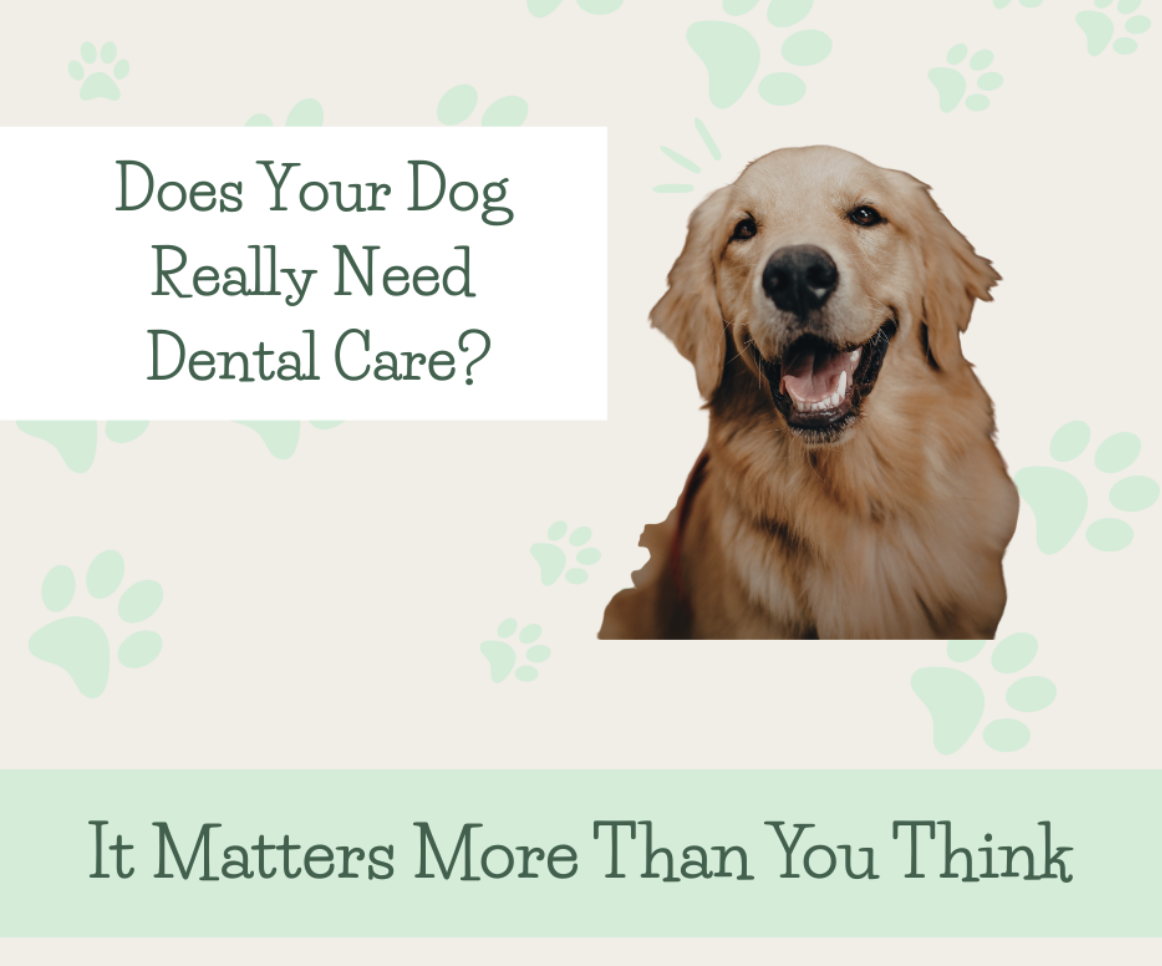
Let's be honest — dog dental care isn't exactly the first thing that comes to mind when you think about keeping your pup healthy. For most pet owners, it falls somewhere in the "that would be nice" category, right alongside doggy spa days and organic treats. But here's the thing: dental care for dogs and cats isn't a luxury. It's an essential part of their overall health — and skipping it can lead to some pretty serious consequences.
The good news? It doesn't have to be complicated. Here's everything you need to know about dog dental health, what to watch for, and how Bluff Park Animal Clinic can help.
The Stats That Might Surprise You
By age three, approximately 80% of dogs show signs of dental disease. That's not a rare condition — it's the norm for dogs who don't receive regular dental care.
And it's not just about bad breath (though that's definitely part of it). Left untreated, dental disease can progress well beyond the mouth. The bacteria that build up in your pet’s gums don't stay there. They enter the bloodstream and can travel to major organs — including the heart, kidneys, and liver — causing damage that's costly, painful, and sometimes irreversible.
In short: your dog’s dental health is connected to their whole-body health. It's not a standalone issue.
How to Tell If Your Pet Has Dental Disease
Dogs are champs at hiding discomfort, so dental disease can quietly progress before you notice anything is wrong. Here are the signs to watch for:
• Bad breath — Yes, "dog breath" is common, but it shouldn't be foul or distinctly rotten. A strong, unpleasant odor is often the first sign of bacterial buildup.
• Yellow or brown buildup on the teeth — That discoloration near the gumline? That's tartar. It's hardened plaque, and once it's there, brushing alone won't remove it.
• Difficulty eating or dropping food — If your dog is suddenly reluctant to eat, chewing on one side, or dropping kibble, their mouth may be hurting.
• Drooling more than usual — Some dogs drool naturally, but a noticeable increase can indicate mouth pain or infection.
• Red, swollen, or bleeding gums — Healthy gums should be pink and firm. Redness or bleeding is a sign of gingivitis or more advanced gum disease.
If you're seeing any of these signs, it's time to give us a call. These symptoms don't go away on their own — and the sooner we catch them, the better the outcome.
3 Steps You Can Take at Home
Here's the part where you actually have some control. Good home dental care can go a long way in slowing the buildup of plaque and keeping your dog's mouth healthier between vet visits.
- Brush Their Teeth
We know. It sounds like a lot. But brushing your dog's teeth just three times a week can dramatically reduce plaque buildup. Use a dog-specific toothbrush and toothpaste — never human toothpaste, which contains ingredients that are toxic to dogs. Start slow, keep sessions short, and make it a positive experience with plenty of praise. Daily brushing is the best, but even brushing at least 3 times weekly has some benefit.
- Dental Chews
A good dental chew won't replace brushing, but it does help. Look for products with the Veterinary Oral Health Council (VOHC) seal — that means they've been tested and proven to reduce plaque or tartar. Bonus: most dogs think they're getting a treat, not a health intervention. At Bluff Park Animal Clinic, we sell dental chews at the front desk!
- Water Additives
These are exactly what they sound like — you add them to your dog's water bowl and they work to reduce bacteria in the mouth. They're tasteless, easy to use, and a great addition to your dental care routine. Ask us which products we recommend!
When It's Time to Call the Vet
There are certain situations where you should skip the dental chews and head straight to the clinic:
- You can see visible tartar — once plaque hardens into tartar, only a professional cleaning can remove it.
- Your dog's gums are red, swollen, or bleeding.
- Your dog seems to be in pain when eating, or is avoiding food altogether.
- You notice any loose or broken teeth.
- Their breath has gone from "normal dog" to "something is wrong" levels of bad.
A professional dental cleaning at Bluff Park Animal Clinic includes scaling to remove tartar, polishing, and a full oral exam. We'll check for any signs of infection, disease, or other concerns — and give you a clear picture of where your dog's dental health stands.
Prevention Is Always Easier Than Treatment
Here's the bottom line: the cost — in time, money, and stress for your dog — of treating advanced dental disease is far greater than the cost of preventing it. Regular cleanings, combined with good home care habits, can protect your dog's teeth AND their overall health for years to come.
Think of it this way: you wouldn't skip your own dental cleanings for years and expect everything to be fine. Your dog deserves the same level of care.
Ready to Get Started? Live in Birmingham? We're Here to Help.
If you live in Hoover, Vestavia, Homewood, the Birmingham Metro area - at Bluff Park Animal Clinic, we make dental care easy and stress-free for both you and your pet. Whether you're due for a cleaning, have concerns about your dog's teeth, or just want to know more about what's right for your pet — we'd love to hear from you.
Ready to book a dental exam for your dog or cat?
📱 Our Pet Portal is now LIVE — making it easier than ever to request an appointment from your phone or computer, anytime.
👉 Click here to request an appointment through our Pet Portal, or contact Bluff Park Animal Clinic today.
Your pet's healthy smile starts here. 🐾
— The Team at Bluff Park Animal Clinic