How to Help Your Dog Lose Weight
February 6th, 2026
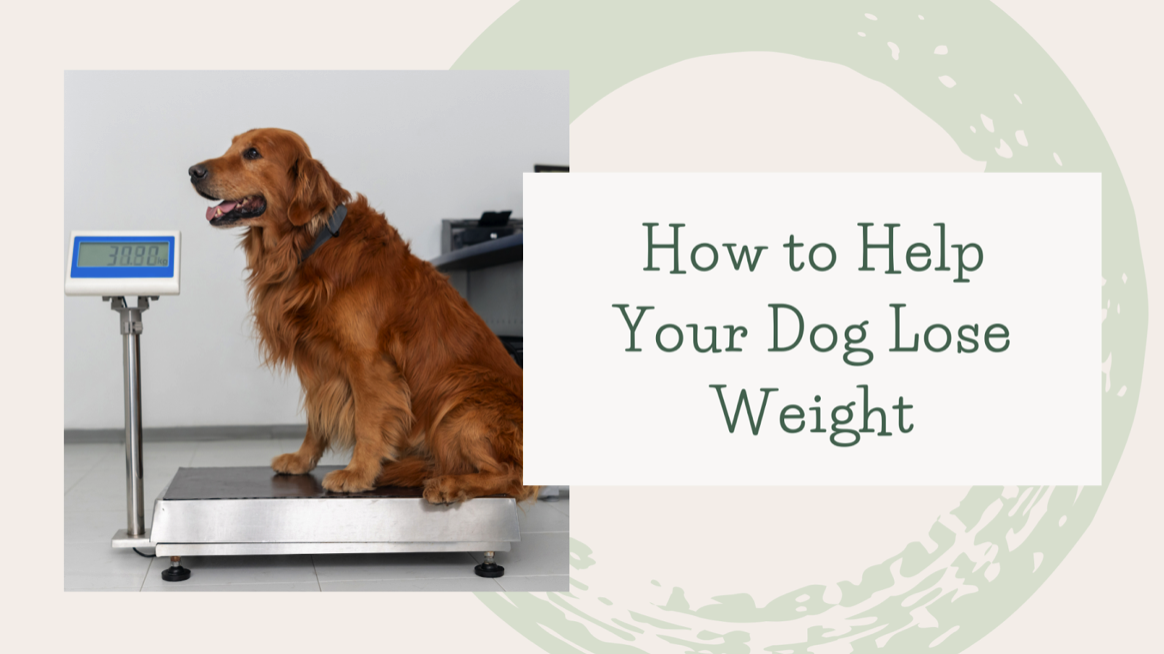
If your dog greets you with a wagging tail and longing eyes at mealtime, you’re not alone. Feeding is one of the ways we show love. But when extra treats and oversized portions start to add up, that love can unintentionally impact your dog’s health.
How Much Should I Feed My Dog to Lose Weight?
You love your dog and want to do what’s best for them—but helping a pet lose weight isn’t always straightforward. Many dog owners find themselves puzzled over one key question: how many calories should my dog actually be eating to lose weight safely?
That question becomes even trickier when your dog’s activity level isn’t the same every day. Some weeks are filled with long walks and playtime, while others are quieter due to weather, schedules, or age-related changes. Those fluctuations can make it hard to know whether you’re feeding too much, too little, or just right.
This is exactly why structured plans, calorie calculators, and veterinary guidance are so important. They take the guesswork out of feeding and help ensure your dog is losing weight in a healthy, sustainable way—without sacrificing nutrition or energy.
Maintaining a healthy weight isn’t about restriction—it’s about balance. With the right plan, you can help your dog feel better, move more easily, and enjoy more quality years by your side.
Is Your Dog at a Healthy Weight?
Many dog owners are surprised to learn their pet is overweight. In fact, more than half of dogs in the U.S. fall into the overweight or obese category. While your veterinarian is the best resource for an accurate assessment, there are a few at-home clues that may signal a problem.
Common Signs Your Dog May Be Overweight
- You can’t easily feel your dog’s ribs without pressing
- The waistline is hard to see when viewed from above
- The belly hangs low or doesn’t tuck up from the side
- Your dog gets tired quickly during walks or play
- Collars or harnesses need frequent loosening
- Fat pads are noticeable around the hips or base of the tail
Why Dog Weight Management Matters
Extra weight doesn’t just change how your dog looks—it affects how their body functions. Dogs at a healthy weight are more likely to stay active, comfortable, and disease-free as they age.
Health Risks Linked to Canine Obesity
• Shorter lifespan: Overweight dogs often live years less than lean dogs.
• Joint and mobility issues: Extra weight strains bones and joints, increasing arthritis risk.
• Breathing difficulties: Fat around the chest and abdomen can limit lung expansion.
• Heat sensitivity: Heavier dogs struggle more to regulate body temperature.
• Skin conditions: Skin folds can trap moisture and bacteria.
• Increased cancer risk: Certain cancers are more common in overweight dogs.
• Lower energy levels: Less movement often leads to even more weight gain.
Start With a Plan (Not Guesswork)
Successful weight loss starts with understanding your dog’s specific needs. Every dog is different, and feeding guidelines on bags are only general estimates.
Step 1: Talk With Your Veterinarian
Before making changes, schedule a visit with your vet. They can:
• Confirm whether your dog needs to lose weight
• Identify a healthy target weight
• Rule out medical conditions affecting metabolism
• Recommend safe, realistic weight-loss goals
At Bluff Park Animal Clinic, we help pet owners create customized, sustainable plans tailored to their dog’s breed, age, and lifestyle.
How Much Should I Feed My Dog to Lose Weight?
This is one of the most common—and important—questions dog owners ask.
Step 2: Calculate Current Calorie Intake
Check your dog food label for calories per cup or serving. Multiply that by how much your dog eats daily, and don’t forget to include:
• Training treats
• Table scraps
• Chews and snacks
These extras can quietly add hundreds of calories.
Step 3: Use a Dog Weight Loss Calculator
A dog weight loss calculator helps estimate daily calorie needs based on:
• Ideal weight
• Activity level
• Calorie density of current food
These tools are helpful starting points, but they work best when paired with veterinary guidance. Cutting calories too aggressively can be harmful, so accuracy matters.
Once you know your dog’s daily calorie target, divide it by the number of meals you serve per day to ensure consistent portions.
Movement Matters: Adding Exercise the Right Way
Step 4: Gradually Increase Daily Activity
Start slow and build up to avoid injury or exhaustion. Walking is often the easiest place to begin.
Other great exercise options include:
• Swimming (excellent for dogs with joint pain)
• Fetch or tug-of-war
• Supervised play at a dog park
• Interactive games at home
Aim for 20–30 minutes of activity per day, adjusting for your dog’s size, breed, and fitness level. Exercising your dog can also be a great motivator for incorporating more movement in your routine as well!
Consistency Is the Secret to Long-Term Success
Weight loss doesn’t happen overnight. Depending on how much weight your dog needs to lose, progress may take months. That’s normal—and healthy.
Step 5: Stay the Course
• Stick to measured portions
• Limit treats or switch to low-calorie option
• Avoid table scraps
• Recheck weight periodically with your vet
Once your dog reaches a healthy weight, ongoing management is essential to prevent rebound weight gain.
Think of this as a lifestyle shift, not a temporary fix.
Need Support in Birmingham?
If you’re concerned about your pet’s weight and you live in Hoover, Vestavia, Homewood, the Birmingham Metro area, or nearby communities, we’re here to help.
📞 Give us a call at Bluff Park Animal Clinic or visit our website to learn more about how we can support you and your pet on their journey to better health. Book a nutrition consult or free weight check today!