The 3 Healthiest Vet-Recommended Food Options for Cats (and What to Avoid)
February 20th, 2026
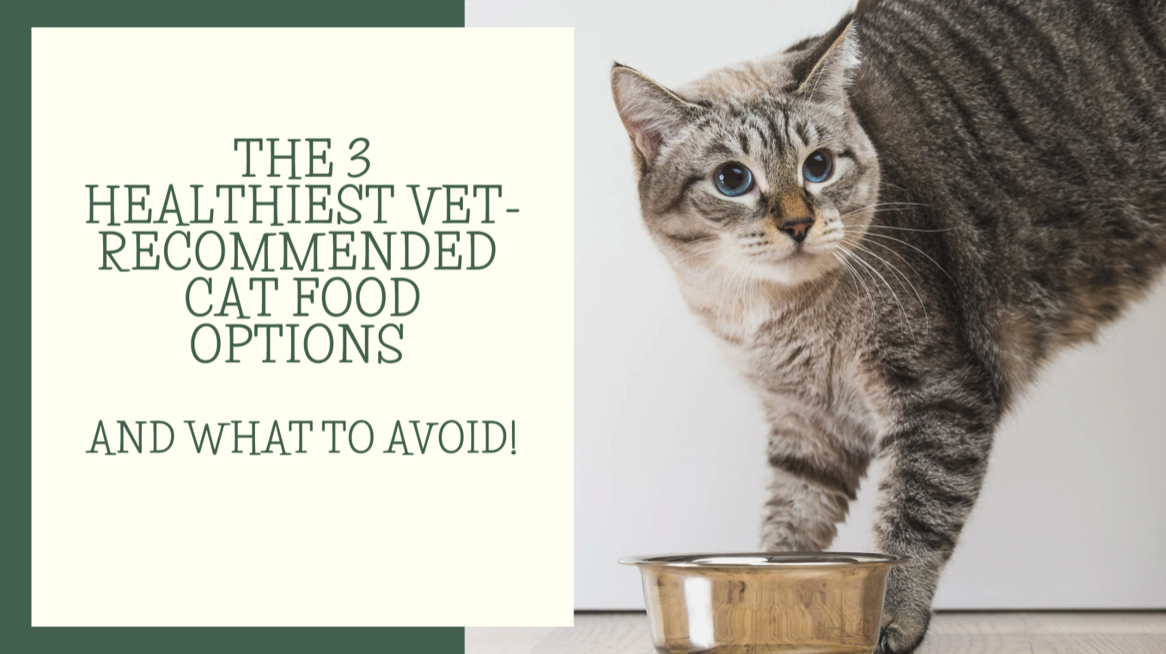
Feeding your cat may seem simple, but choosing the right diet can feel overwhelming. At Bluff Park Animal Clinic, we’re often asked: What’s the healthiest cat food? The truth is, there’s no one-size-fits-all answer. The best diet supports your cat’s life stage, health status, and natural carnivorous needs—while providing complete and balanced nutrition.
Below, we break down three veterinarian-recommended food options and what to avoid when selecting the best cat food for your feline companion.
1. High-Moisture, Meat-Forward Wet Food
Cats are obligate carnivores, meaning they thrive on animal-based protein. High-quality canned diets such as Ziwi Peak Canned Cat Food prioritize whole animal proteins and limit unnecessary carbohydrates.
Wet cat food offers one major advantage: moisture. Many cats don’t drink enough water on their own, which can contribute to urinary tract issues and kidney disease. A moisture-rich diet helps support hydration and urinary health, especially in adult and senior cats.
Look for formulas that list real meat as the first ingredient and avoid artificial colors, flavors, and preservatives. Always confirm the label includes an AAFCO statement for “complete and balanced” nutrition.
2. Fresh, Human-Grade Formulas
Fresh diets, such as Smalls Human-Grade Fresh Cat Food, offer minimally processed, high-protein meals with excellent palatability. These diets tend to be high in moisture and animal protein, supporting lean muscle mass and digestive health.
Fresh food can be especially helpful for picky eaters or cats needing weight management. However, balance is critical. Any fresh diet should meet AAFCO standards and ideally be reviewed by your veterinarian to ensure it meets your cat’s nutritional requirements.
3. Research-Backed Dry and Wet Combinations
Trusted veterinary brands like Royal Canin, Hill’s Science Diet, and Purina Pro Plan are frequently recommended because their formulas are developed by veterinary nutritionists and supported by clinical research.
Dry food (kibble) is convenient, cost-effective, and easy to store. Many formulas support specific needs such as hairball control, sensitive stomachs, indoor lifestyles, or weight management. Wet options from these brands provide added hydration and can be combined with dry food for balanced benefits.
For kittens, choose growth formulas that support brain and body development. Adult cats need maintenance diets to sustain lean muscle and healthy weight. Senior cats often benefit from diets that support kidney function, mobility, and muscle preservation.
Wet vs. Dry Cat Food: Which Is Better?
Both wet and dry cat food can be healthy when properly formulated. The choice depends on your cat’s medical history, dental health, lifestyle, and preferences.
Wet food:
• Higher moisture content
• Helpful for urinary health and kidney support
• Easier to chew for cats with dental issues
Dry food:
• More affordable
• Convenient for multi-cat households
• Can support dental health through kibble texture
Many veterinarians recommend a mixed feeding approach to provide hydration benefits while maintaining convenience.
What to Avoid in Cat Food
Dry-Only Diets
Feeding exclusively dry food may limit moisture intake, increasing the risk of urinary concerns in some cats.
Excessive Fillers and Carbohydrates
Avoid diets that rely heavily on corn, wheat, soy, or unnamed by-products. Cats require high-quality animal protein—not carb-heavy fillers.
Too Much Fish
While fish can be a good protein source, excessive fish-based diets may contribute to nutritional imbalances or sensitivities in some cats.
Raw Diets Without Veterinary Guidance
Improperly prepared raw diets carry risks of bacterial contamination and nutritional deficiencies. Always consult your veterinarian before considering raw feeding.
Reading the Ingredient Label
When reviewing cat food labels, prioritize:
- Named animal proteins as the first ingredient
- Moderate fat content
- Minimal carbohydrates
- Added omega-3 fatty acids for skin and coat health
- Prebiotics or fiber for digestive support
Most importantly, confirm the food meets AAFCO standards for your cat’s life stage.
Every Cat Is Unique
Your cat’s age, weight, activity level, and medical history all influence nutritional needs. Cats with obesity, diabetes, urinary tract disease, or sensitive stomachs may require specialized diets. Frequent food changes can upset digestion, so consistency is key once you’ve found the right fit.
Veterinary Clinic in Birmingham
If you live in Hoover, Vestavia, Homewood, the Birmingham Metro area, or nearby communities, we’re here to help. Schedule a nutrition consultation with Bluff Park Animal Clinic today to create a personalized feeding plan tailored to your cat’s specific needs.
We also offer prescription diets directly through our clinic, including formulas designed for organ support, urinary tract health, weight management, digestive care, and more—so your cat receives targeted nutrition that supports their long-term health and well-being. Visit our website or contact us today to learn more.