The Single Most Important Thing You Can Do for Your Pet: Annual Wellness Exams
March 20th, 2026
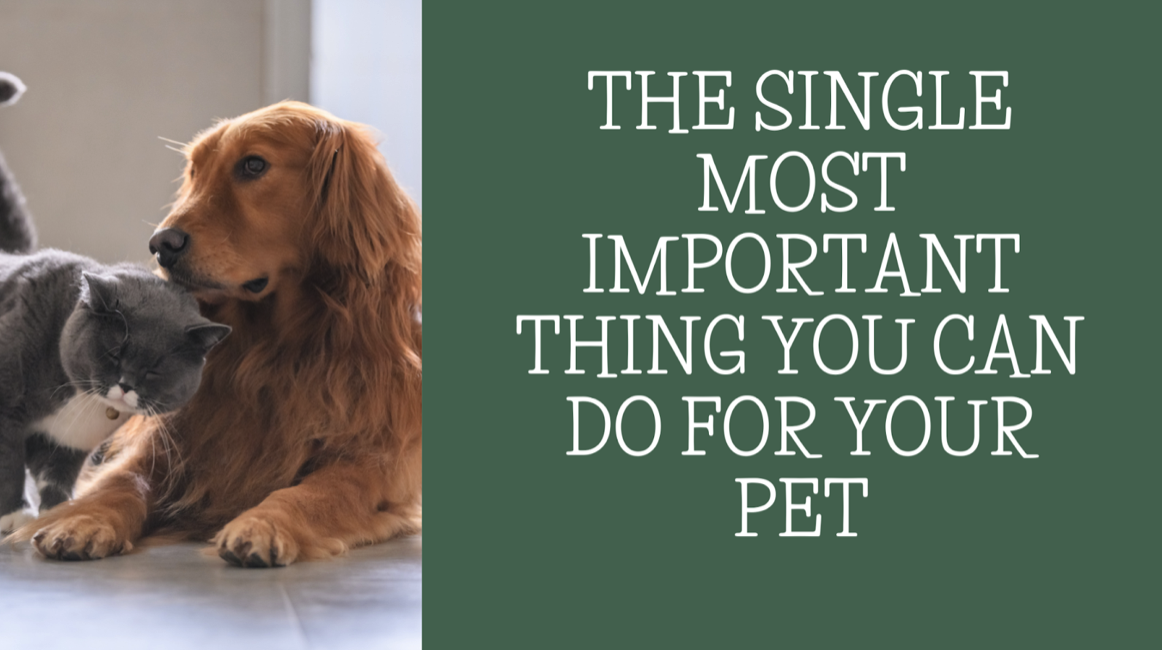
Leah thought she was just bringing her cat in for a routine exam. Her cat Sprinkles seemed perfectly fine — chasing toy mice across the kitchen floor, leaping to the top of the cat tree like she owned the place, and batting playfully at anything that moved. There was no reason to worry.
In fact, Leah hadn't brought Sprinkles to the vet in a couple of years. Like many pet owners, she assumed her cat didn't need to go as often as a dog might — and besides, Sprinkles was clearly healthy. Active, happy, eating well. What more could a cat owner ask for?
What Leah didn't know was that Sprinkles was in the early stages of chronic kidney disease.
She was shocked to learn that if she hadn't brought Sprinkles in that day, her beloved cat may have eventually passed away from premature organ failure or other complications of the disease — all without ever looking or acting sick. Kidney disease, it turns out, is notorious for going undiagnosed precisely because it can appear completely asymptomatic in its early stages.
While Sprinkles is a fictional cat, her story is one we see play out all too often here at Bluff Park Animal Clinic.
“Screening testing isn’t just about finding illness; it’s also about confirming wellness. With so many common conditions following an insidious course in patients that can’t verbalize the subtle clinical signs, screening testing as part of a patient’s wellness care is absolutely essential.”
— Bryan T. Clarke, DVM, DABVP | American Animal Hospital Association
Your Pet Is an Expert at Looking Fine
Here’s something most pet owners don’t realize: our dogs and cats are biologically wired to conceal pain and illness. It’s a survival instinct — in the wild, showing weakness attracts predators. So even when something is quietly going wrong inside their body, they keep wagging their tail, purring on your lap, and acting like everything is just fine.
According to VCA Animal Hospitals, most dogs will hide signs of disease in early stages, which means a health condition may become highly advanced before any obvious or recognizable problems appear. Cats are no different: disease may be well underway before a cat’s owner has any idea something is wrong.
That’s exactly why routine wellness exams are so critical. A trained veterinarian can detect changes that are completely invisible to even the most attentive pet owner.
The Numbers Don’t Lie: Hidden Conditions Are More Common Than You Think
A large-scale study analyzing over 220,000 wellness profiles from dogs and cats across North America found that clinically relevant conditions were hiding in animals that appeared completely healthy.
The results are eye-opening:
• Young adult dogs (ages 1–3) and cats (ages 1–7) — the age group most owners consider the picture of health — had clinically relevant abnormalities in 1 in 7 dogs and 1 in 5 cats.
• Mature adult dogs (ages 4–8) and mature adult cats (ages 7–9) showed relevant findings in 1 out of 5 dogs and 1 in 3 cats.
• For geriatric pets (cats 14+, dogs 11+), clinically significant findings requiring follow-up were present in 2 in 5 patients.
The good news? Early detection changes everything. The American Veterinary Medical Association puts it simply: if you can detect a problem in its early stages, it’s more likely to be treated and resolved with less expense, less difficulty, and better success.
Prevention Is Part of the Plan: What Your Annual Exam Covers
Annual wellness visits aren’t only about catching hidden illness — they’re also about staying ahead of conditions that require ongoing, proactive management. Even if your pet is feeling great, there are several things that need regular attention to keep them that way:
• Parasite prevention: Heartworm, fleas, ticks, and intestinal parasites can be present — or looming — without any visible symptoms. Preventatives only work when they’re kept current.
• Vaccinations: Core vaccines require regular boosters to maintain protection, regardless of whether your pet seems ill.
• Dental health: Dental disease is one of the most common conditions in both dogs and cats, and it progresses silently. Left untreated, it can affect the heart, kidneys, and liver.
• Weight and nutrition assessment: Obesity in pets is linked to diabetes, joint disease, heart conditions, and shortened lifespan. A wellness visit ensures your pet is on the right track.
• Bloodwork and screening labs: Routine blood panels and urinalysis can detect kidney disease, liver issues, thyroid conditions, diabetes, and anemia long before your pet shows any outward signs.
• Baseline health records: Annual exams build a health history for your pet, which makes it much easier to catch subtle changes over time.
Signs Your Pet May Need to Be Seen Sooner
While an annual wellness exam is the foundation, some symptoms should prompt a visit before that yearly appointment rolls around. If you notice any of the following, don’t wait — call us:
- Changes in appetite or water intake (eating significantly more or less, drinking more than usual)
- Unexplained weight gain or weight loss
- Decreased activity, lethargy, or reluctance to play
- Persistent scratching, hair loss, or skin changes
- Changes in bathroom habits (frequency, consistency, straining, or accidents in the house)
- Bad breath, difficulty chewing, or pawing at the mouth
- Vomiting or diarrhea lasting more than 24 hours
Trust your gut, too. You know your pet better than anyone. If something just seems “off” — even if you can’t put your finger on exactly what — that’s always a good reason to give us a call.
Birmingham Pet Owners: Schedule Your Visit at Bluff Park Animal Clinic Today
Your pet can’t tell you when something is wrong. But we can help you find out — before it becomes a bigger problem. Whether your furry family member is due for their annual exam or has been a little overdue (no judgment here!), there’s no better time to schedule than now.
If your pet is due for a wellness exam, we’d love to see them. You can reach us in any of the following ways:
• Call our office to speak with a team member.
• Contact us through our website.
• Request an appointment through our convenient, easy-to-use Pet Portal — available anytime, day or night.
Because the best time to catch a problem is before you know it’s there. Sprinkles would agree.