Heat Stroke in Dogs and Cats
By Bluff Park Animal Clinic
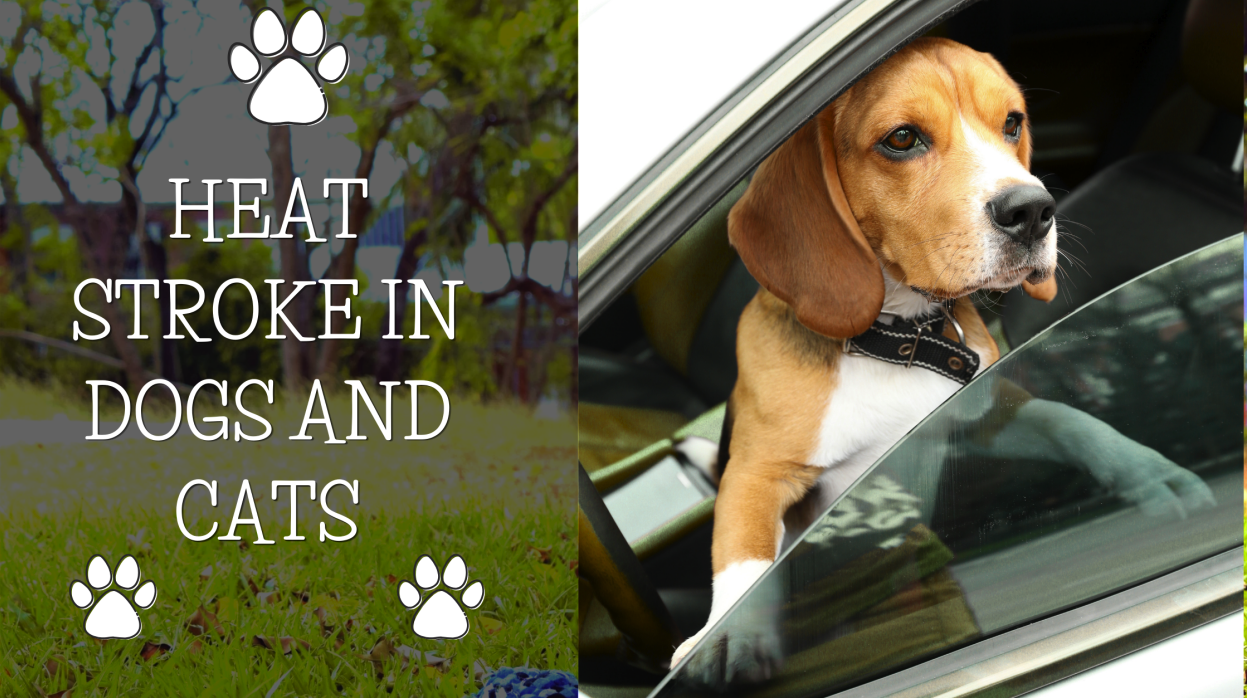
Signs, First Aid, and When to Call the Vet
Heat Stroke is a threatening emergency in pets. Learn the warning signs for dogs and cats, what first aid to provide, and when to call Bluff Park Animal Clinic immediately.
Amanda needed to run a quick errand — just a stop by the store. Five minutes, tops. She couldn't bring Buddy inside. Yes, it was hot out, but she figured he'd be fine in the backseat for just a few minutes. She left the window cracked and got back as quickly as she could… to find him slumped over, not breathing.
This story is fictional. The tragedy it describes is not.
Alabama summers don't ease in gently. By May, afternoon temperatures can already feel dangerous — and for pets, the risk is real. Heat stroke can go from "he seems a little off" to life-threatening in a matter of minutes. Before the heat peaks, here's what every pet owner in our area needs to know.
What Is Heat Stroke — and How Quickly Can It Happen?
Heat stroke (hyperthermia) occurs when a pet's body temperature rises above its ability to self-regulate. Normal body temperature for dogs and cats runs between 101–102.5°F. Once it climbs above 104°F, organ damage begins. At 107°F or higher, the condition becomes rapidly fatal.
Unlike humans, dogs and cats don't sweat efficiently. Dogs cool primarily through panting; cats also pant, though it's far less common and nearly always a sign something is wrong. On a hot, humid Alabama afternoon, that cooling system can fail fast — especially if fresh air, water, or shade isn't available.
A dog left in a parked car on an 85°F day can be in crisis within 10 minutes. Backyard pets without shade, animals exercised during peak heat, and pets in poorly ventilated homes are all at risk.
Warning Signs by Species: Dogs vs. Cats
The signs of heat stroke look a little different depending on your pet. Knowing what to watch for in each can make the difference.
Dogs tend to show more obvious respiratory distress first:
- Heavy, excessive, or labored panting
- Thick, ropy saliva
- Bright red or pale gums
- Drooling more than usual
- Disorientation, stumbling, or weakness
- Vomiting or diarrhea (sometimes bloody)
- Collapse or seizure in severe cases
Cats are more stoic and their signs can be subtler, which makes them especially dangerous to miss:
- Open-mouth breathing or panting (always abnormal in cats — take it seriously)
- Rapid, shallow breathing
- Drooling or wet fur around the mouth
- Lethargy or unusual stillness
- Red or pale gums
- Elevated heart rate
- Stumbling, disorientation, or loss of coordination
If your cat is panting, don't wait to see if it passes. That alone warrants a call to your vet.
High-Risk Pets: Who's Most Vulnerable
Any pet can develop heat stroke, but some are significantly more prone to it.
Brachycephalic breeds — flat-faced dogs and cats like Bulldogs, Pugs, Persians, and Himalayans — have compressed airways that make panting far less effective. They can overheat doing very little on a moderately warm day.
Senior pets have reduced ability to regulate body temperature and are more likely to have underlying conditions (heart disease, respiratory issues) that compound the risk.
Overweight animals generate more internal heat and have less efficient circulation, putting them in a higher-risk category regardless of breed.
Thick-coated breeds — Huskies, Malamutes, Chow Chows — are built for cold climates and can struggle significantly in Southern summers.
Pets with chronic illness, especially those with heart, lung, or neurological conditions, should be monitored closely when temperatures rise.
Step-by-Step First Aid While You Get to the Vet
If you suspect heat stroke, the goal is to begin cooling your pet immediately — and get to a veterinarian as fast as possible. Heat stroke is always a veterinary emergency, even if your pet seems to be improving.
1. Move your pet to a cool environment. Indoors with air conditioning is ideal. Shade alone is not sufficient.
2. Apply cool (not cold) water to the body. Focus on the neck, armpits, and groin — areas where blood vessels run close to the skin. Wet towels work well. Let water evaporate rather than keeping your pet covered, as that traps heat.
3. Offer small amounts of cool water if your pet is conscious and able to swallow. Don't force it.
4. Use a fan to increase evaporation and airflow over the wet coat.
5. Check your pet's temperature if you have a rectal thermometer. Once it reaches 103°F, stop active cooling and focus on getting to the vet — overcooling can cause its own complications.
6. Call us on the way. Giving us a heads-up means we're ready when you arrive.
What NOT to Do
A few well-intentioned interventions can actually make things worse.
Do not use ice water or ice packs directly on the skin. This is one of the most common mistakes we see. Extreme cold causes blood vessels near the skin to constrict, which traps heat in the body's core rather than releasing it — and can trigger shock. Cool water, not cold.
Do not use alcohol rubs. An old remedy sometimes passed around online, rubbing alcohol can be absorbed through the skin and is toxic to pets.
Do not give human medications such as aspirin or ibuprofen. These are dangerous for pets even under normal circumstances.
Do not assume your pet is fine because they seem to perk up. Internal organ damage — to the kidneys, liver, or brain — can occur even after a pet appears to recover. Your vet needs to evaluate them.
How to Prevent Heat Stroke
Most cases are entirely preventable with a few consistent habits.
Time your walks carefully. In Alabama summers, early morning (before 8 a.m.) or after sunset is the safest window for exercise. Midday and afternoon hours are simply too dangerous for most pets.
Test the pavement. If the asphalt is too hot to hold your palm against for seven seconds, it's too hot for your dog's paws — and if they're close to the ground, the radiant heat is significant.
Always provide fresh water and shade. Outdoor pets should have multiple water sources (in case one tips over) and access to shade at all hours of the day as the sun moves.
Never leave a pet in a parked car. Even with the windows cracked, even for a few minutes, even on a "mild" day. Temperatures inside a car can exceed 120°F within 20 minutes.
Consider indoor time during peak heat. For high-risk pets especially, keeping them inside during the hottest part of the day isn't overprotective — it's responsible.
Keep up with wellness visits. Pets with underlying health conditions need to be managed proactively. A summer wellness check gives us a chance to catch anything that might make your pet more vulnerable in the heat.
When to Call Us
Any time you suspect heat stroke, call us immediately — even if you're not sure.
Save our number now: (205) 823-3034
We'd always rather hear from you and find out everything is fine than have you wait and wish you hadn't. When heat stroke is involved, early intervention is everything.
Schedule a summer wellness check for your pet — especially if they're a senior, a brachycephalic breed, have a chronic condition, or are overweight. A quick visit now can help you head into the hottest months with confidence.
Book an Appointment. Call Us.
Bluff Park Animal Clinic serves pets and their families in the Birmingham area. Have a question about your pet's health this summer? We're always happy to hear from you.