Is Your Pet in Pain? 6 Signs Every Dog and Cat Owner Should Know
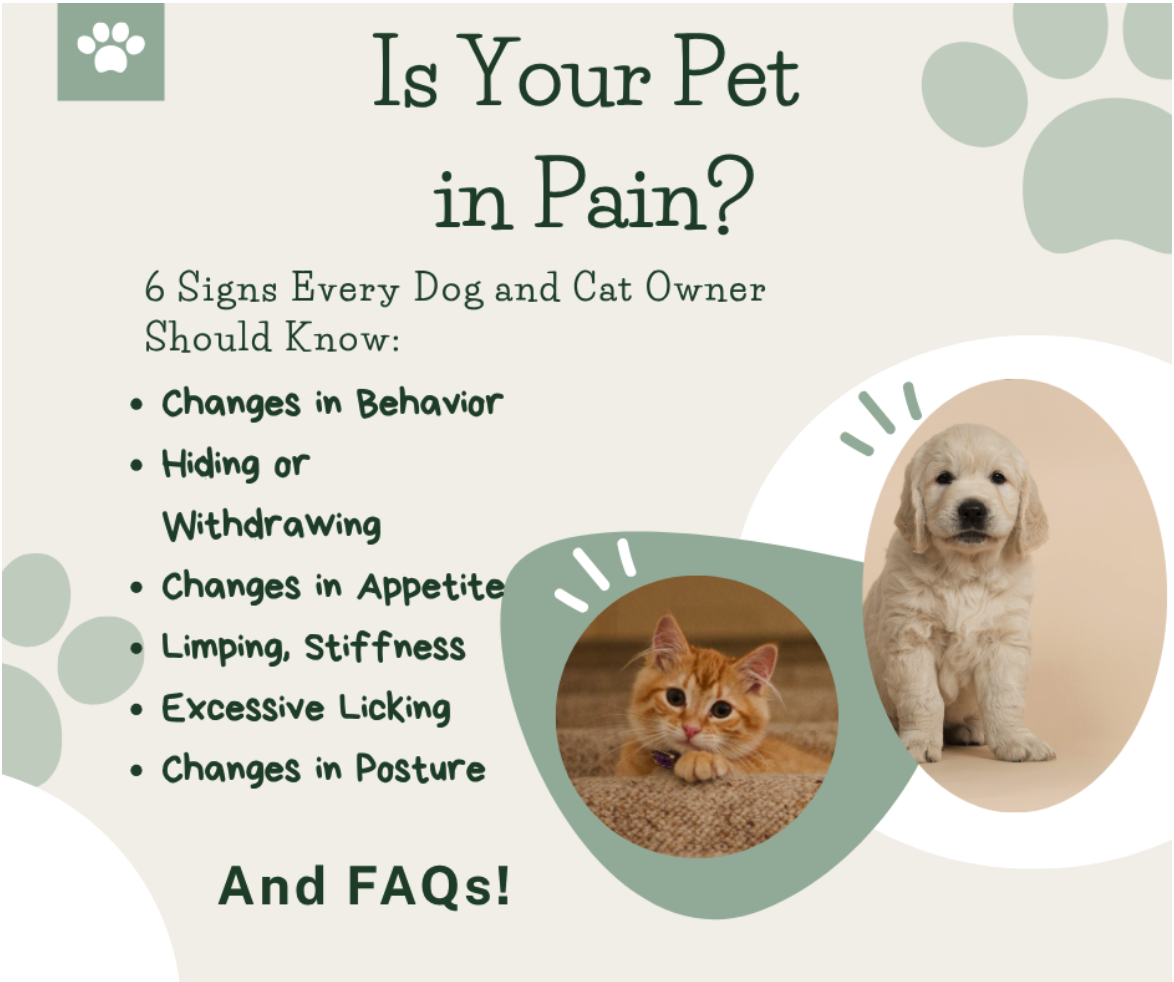
Learn the common signs of pain in dogs and cats, including behavior changes, hiding, appetite loss, limping, and excessive licking.
6 Signs Your Dog or Cat Is in Pain: What Pet Owners Should Know
At Bluff Park Animal Clinic, we know that our pets can't tell us when something hurts. And in our experience, pain doesn't always look the way pet owners expect. Some dogs may limp or whine, while others simply become less active or stop enjoying their favorite activities.
Cats can be even more difficult to read, often hiding discomfort through subtle changes in their everyday behavior. Learning to recognize these signs can help you seek veterinary care sooner and give your pet the comfort and support they deserve.
1. Changes in Behavior or Personality
A change in your pet’s usual behavior is one of the most important signs to notice. A pet experiencing pain may become less playful, unusually restless, irritable, clingy, or reluctant to be touched.
You know your pet’s normal routines and personality. If your normally friendly dog avoids being petted or your cat suddenly loses interest in play, don’t automatically dismiss the change as aging or bad behavior. Pain and other medical conditions can cause behavioral changes and deserve veterinary attention.
2. Hiding or Withdrawing
Increased hiding or withdrawal can be a sign that your pet is uncomfortable. Cats, in particular, often conceal illness or pain, so their symptoms may be easy to miss.
Watch for changes such as:
- Spending more time under furniture or in secluded areas
- Avoiding family members or other pets
- Resisting being picked up or handled
- Sleeping more or showing less interest in normal activities
Hiding can also result from stress or fear, but a sudden or persistent change should be discussed with your veterinarian.
3. Changes in Appetite
Pain can affect how much a pet eats, particularly when chewing or movement is uncomfortable. A pet with dental pain, for example, may eat less, chew differently, or drop food.
Pay attention to:
- Eating less or refusing food
- Difficulty chewing
- Dropping food while eating
- Changes in drinking habits
- Unexplained weight loss
A normal appetite does not always rule out pain. Contact your veterinarian if your pet’s eating habits change, especially if other symptoms are present.
4. Limping, Stiffness, or Mobility Changes
Limping is an obvious warning sign, but pain can also appear as smaller changes in movement. Your pet may hesitate before jumping, struggle with stairs, move stiffly after resting, or stop running and playing.
Older pets may naturally slow down, but aging should not automatically explain away mobility changes. Arthritis, injuries, and other conditions can cause pain, and your veterinarian can help identify the cause and discuss treatment options.
5. Excessive Licking or Changes in Grooming
Dogs may repeatedly lick a painful joint, limb, or other area. Cats may groom one area excessively—or groom less because movement is uncomfortable.
Look for:
- Repeated licking focused on one part of the body
- Hair loss or irritated skin
- A coat that becomes messy or unkempt
- Reduced grooming, especially in cats
Licking can also be caused by allergies or skin irritation, so a new or persistent grooming change should be evaluated.
6. Changes in Posture or Vocalization
Pets in pain may change how they sit, stand, lie down, or hold their bodies. You might notice a hunched back, difficulty settling, frequent repositioning, stiffness, whining, whimpering, or unusual vocalization.
Cats may also show subtle facial changes, such as narrowed eyes or flattened ears. One sign alone does not confirm pain, but several changes together can provide valuable information for your veterinarian.
Why Cats Can Be Especially Difficult to Read
Cats often hide pain rather than openly displaying it. Instead of crying out, a cat may stop jumping onto a favorite windowsill, hide more often, groom differently, or use the litter box in an unusual way.
Pay attention to your cat’s everyday habits:
- Is your cat jumping and climbing normally?
- Is your cat eating and using the litter box as usual?
- Has playtime decreased?
- Does your cat react differently to touch?
Never assume that a sudden litter box change is simply a behavior problem. Medical issues can contribute to these changes and should be evaluated.
When Should You Call the Veterinarian?
Contact your veterinary team if your pet shows ongoing or unexplained changes in behavior, appetite, grooming, or mobility.
Seek immediate veterinary attention for signs such as:
- Severe or sudden pain
- Difficulty breathing
- Collapse or extreme weakness
- Inability to stand or walk normally
- Significant injury or trauma
If you are unsure how urgent your pet’s symptoms are, call your veterinarian or an emergency veterinary hospital for guidance.
Never Give Human Pain Medication Without Veterinary Direction
Human pain relievers can be dangerous—even life-threatening—for dogs and cats. Do not give your pet medication from your medicine cabinet or another animal’s prescription unless your veterinarian specifically directs you to do so. Your veterinary team can recommend safe and appropriate pain-management options.
How Bluff Park Animal Clinic Can Help
Your pet may not be able to tell you when something hurts, but changes in daily habits can provide important clues. If your dog or cat is acting differently, moving less comfortably, hiding more, or showing other concerning signs, the team at Bluff Park Animal Clinic can help evaluate the problem and discuss next steps.
Don’t wait for symptoms to become severe. Contact Bluff Park Animal Clinic to schedule an appointment and give your pet the care they deserve.
Frequently Asked Questions
How can I tell if my dog is in pain?
Common signs include behavior changes, reduced activity, limping, stiffness, appetite changes, excessive licking, and reluctance to be touched.
How can I tell if my cat is in pain?
Cats may hide more, groom differently, eat less, stop jumping, or become less tolerant of handling. Subtle changes matter.
Do pets cry when they are in pain?
Not always. Some pets vocalize, while others show discomfort through withdrawal, altered movement, or behavior changes.
Is hiding always a sign that my cat is sick?
No, but a sudden increase in hiding—especially with other symptoms—should be discussed with your veterinarian.
Written by the team at Bluff Park Animal Clinic | Birmingham, Alabama | September 18th, 2026